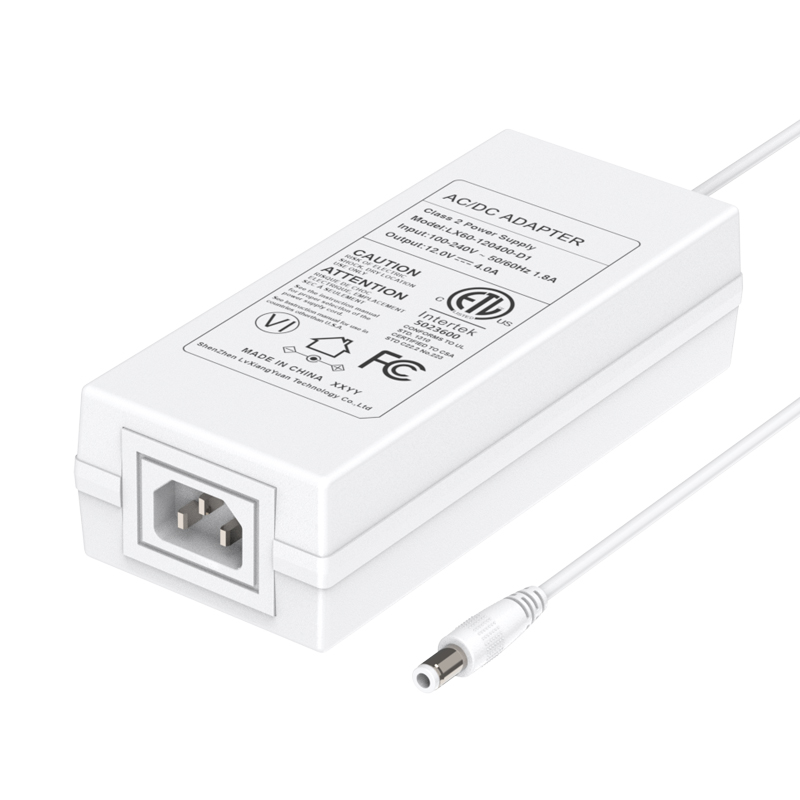
Lithium-ion battery charging methods and precautions
2024-12-17
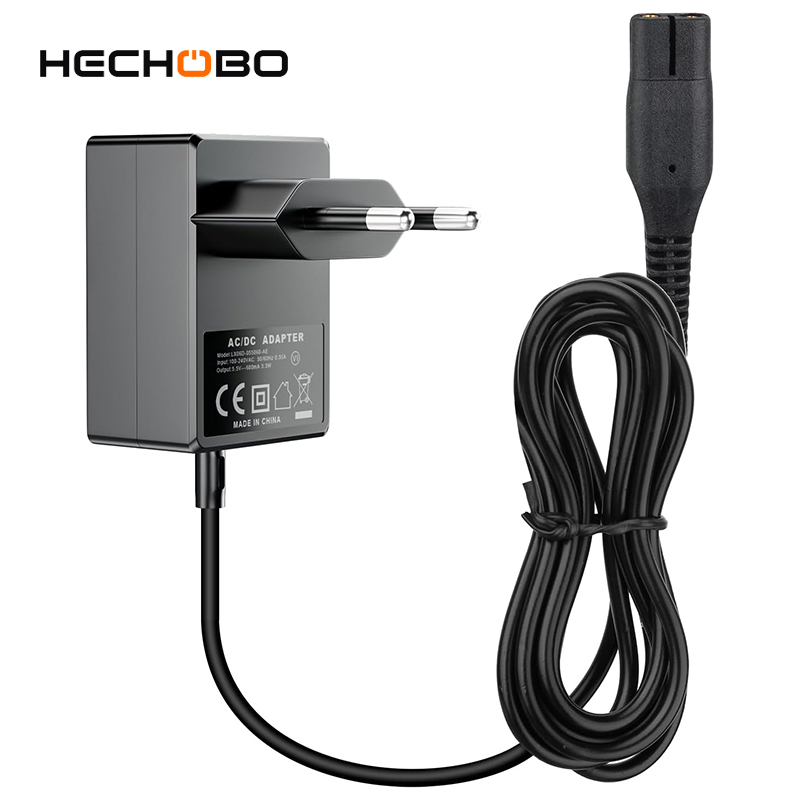
Charging a lithium ion battery can be done by following a few simple steps. First, make sure that the charger being used is compatible with the specific type of lithium ion battery being charged.
The charging of lithium-ion batteries includes several stages: pre-charging, constant current charging and constant voltage charging. Correct charging can extend the service life of lithium-ion batteries and maintain their stable performance.
1. Use a suitable charger: Select a charger that fully matches the battery model to ensure charging efficiency and safety. Avoid deep discharge: Lithium batteries should avoid deep discharge state, and exhaustion will damage the battery life. It is recommended to charge in time when the power is less than 20%.

2. Control the charging current: It is recommended to use a charging current that does not exceed 1C of the battery capacity. Excessive charging current may cause overheating and damage to the battery.

3. Avoid high temperature environment: High temperature will cause irreversible damage to lithium batteries. Avoid operating in a high temperature environment during charging and use.
4. Constant current and constant voltage charging: Most lithium batteries use a constant current and constant voltage charging method, that is, when the battery voltage does not reach the set value, it is charged with constant current, and when the battery voltage approaches the upper limit, it is converted to constant voltage charging until the charging current drops to a certain value. End charging.
5. Avoid long-term overcharging: Modern lithium batteries have an intelligent charging management system, which should automatically cut off the power after being fully charged, and there is no need to worry about overcharging.
6. Storage method: If the lithium battery is not used for a long time, it should be properly stored in a dry and cool place, and charged regularly to maintain the battery condition.

7. Avoid short circuit: During charging and storage, ensure that the positive and negative poles of the battery do not accidentally contact to prevent short circuit. For the above charging methods and precautions, if you have any questions during actual use, it is recommended to consult the battery manufacturer or professionals for more accurate advice.
Can Type-C charge a laptop? Power adapter manufacturers explain
Introduction to lithium battery charging methods
Related Article
You’re packing for a trip: laptop, phone, tablet, headphones. But then you see it—a tangle of chargers eating half your bag. Enter the 65W GaN charger: a credit-card-sized wonder promising to power it all. But can this tiny titan really charge your laptop? Let’s cut through the hype.
Can a 65W GaN Charger Charge a Laptop? The Ultimate Guide to Downsizing Your Power Brick
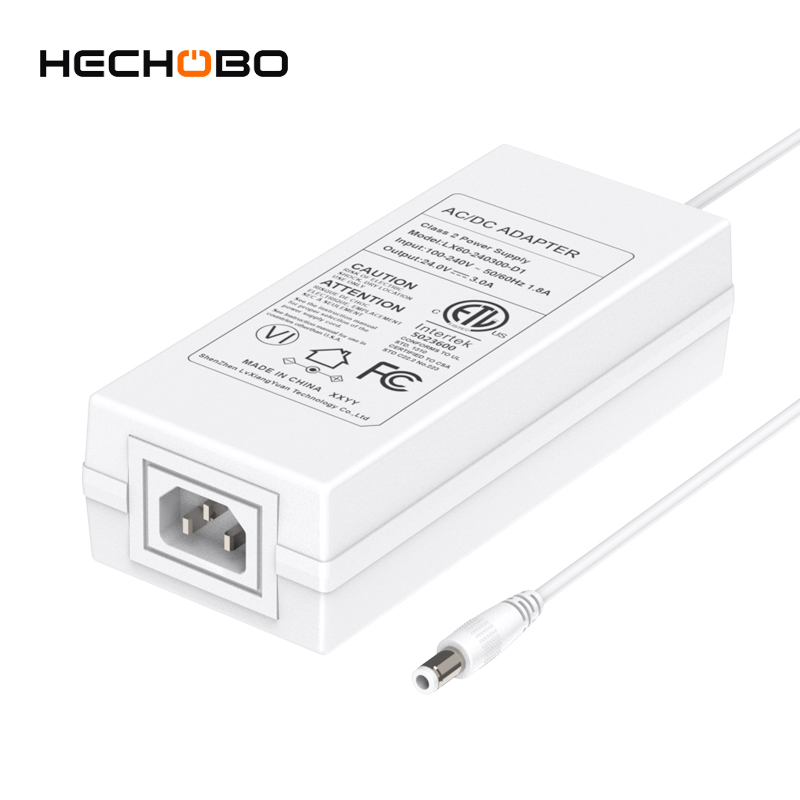
A 21V battery charger is a specialized power supply designed to safely and efficiently recharge 21V lithium-ion batteries, commonly used in high-performance electric tools (e.g., drills, saws, impact wrenches) and portable electronics.
21V Battery Charger: Powering High-Performance Devices with Precision
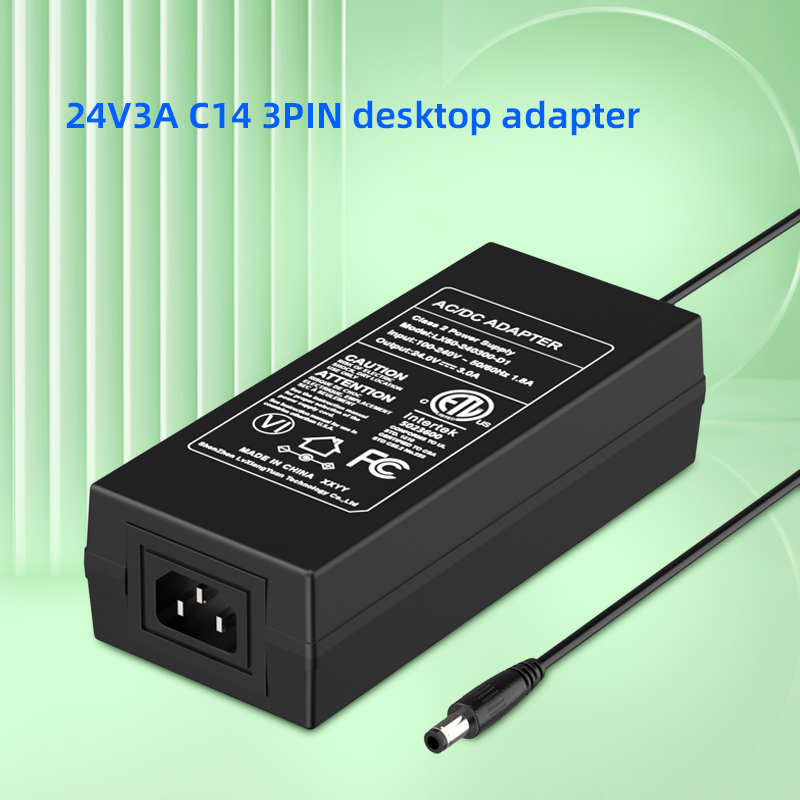
The 12.6V battery charger is a specialized device designed for charging 3-cell lithium-ion (Li-ion) or lithium-polymer (LiPo) battery packs, commonly used in electric tools, drones, portable power stations, and industrial equipment15.
12.6V Battery Charger: The Ultimate Guide to Safe and Efficient Power Solutions