


What is difference between PD charger and normal charger?
author: Anita
2023-12-13
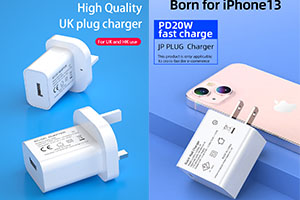
What is difference between PD charger and normal charger?
May I kindly ask what sets a PD charger apart from a standard charger?
Perhaps you've encountered these terms while searching for a new charger for your phone, tablet, or laptop.
In this discourse, we endeavor to analyze the disparities between the two and assist you in deciding which one is suitable for your unique requirements.
To begin, let us define what constitutes a regular charger.
Standard chargers are primarily designed to provide a constant current to your device.
Typically, these chargers come included in the original packaging of your device, and their output is relatively low, around 5 or 10 watts.
While they're often convenient to have, they may not be the most efficient or fastest way to charge your device.
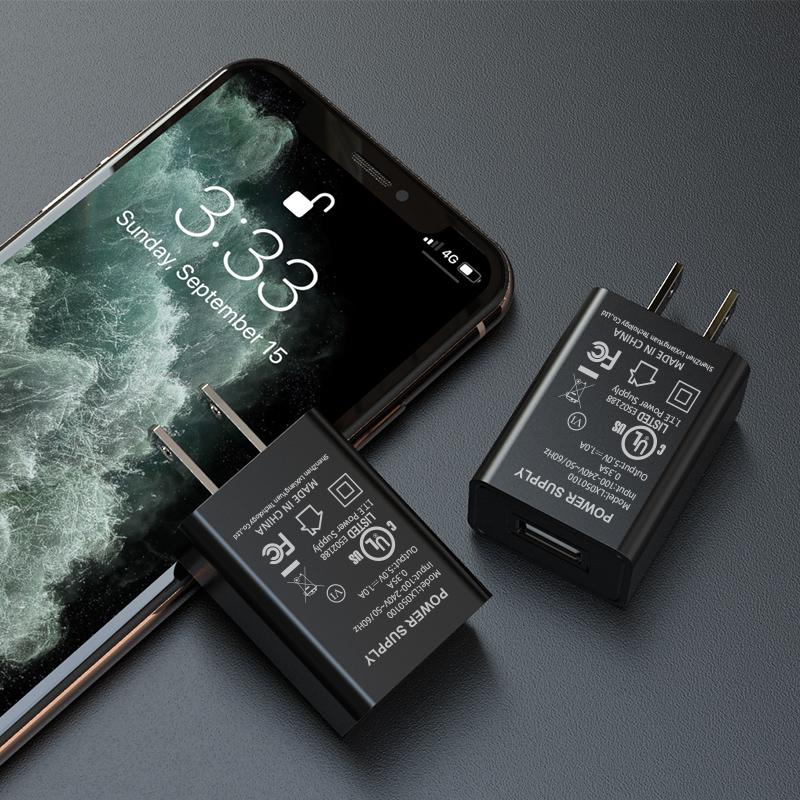
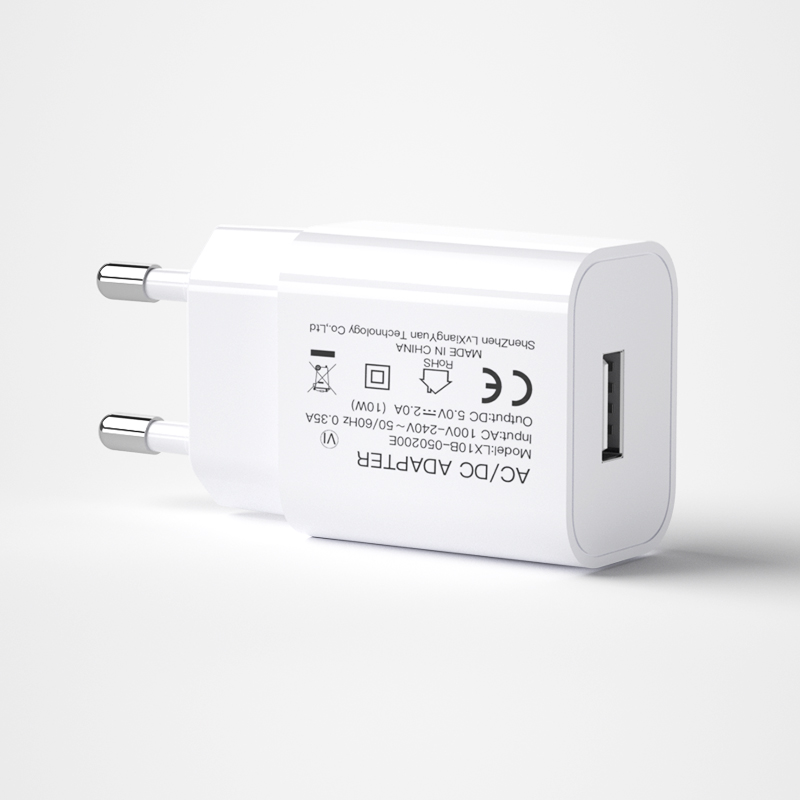
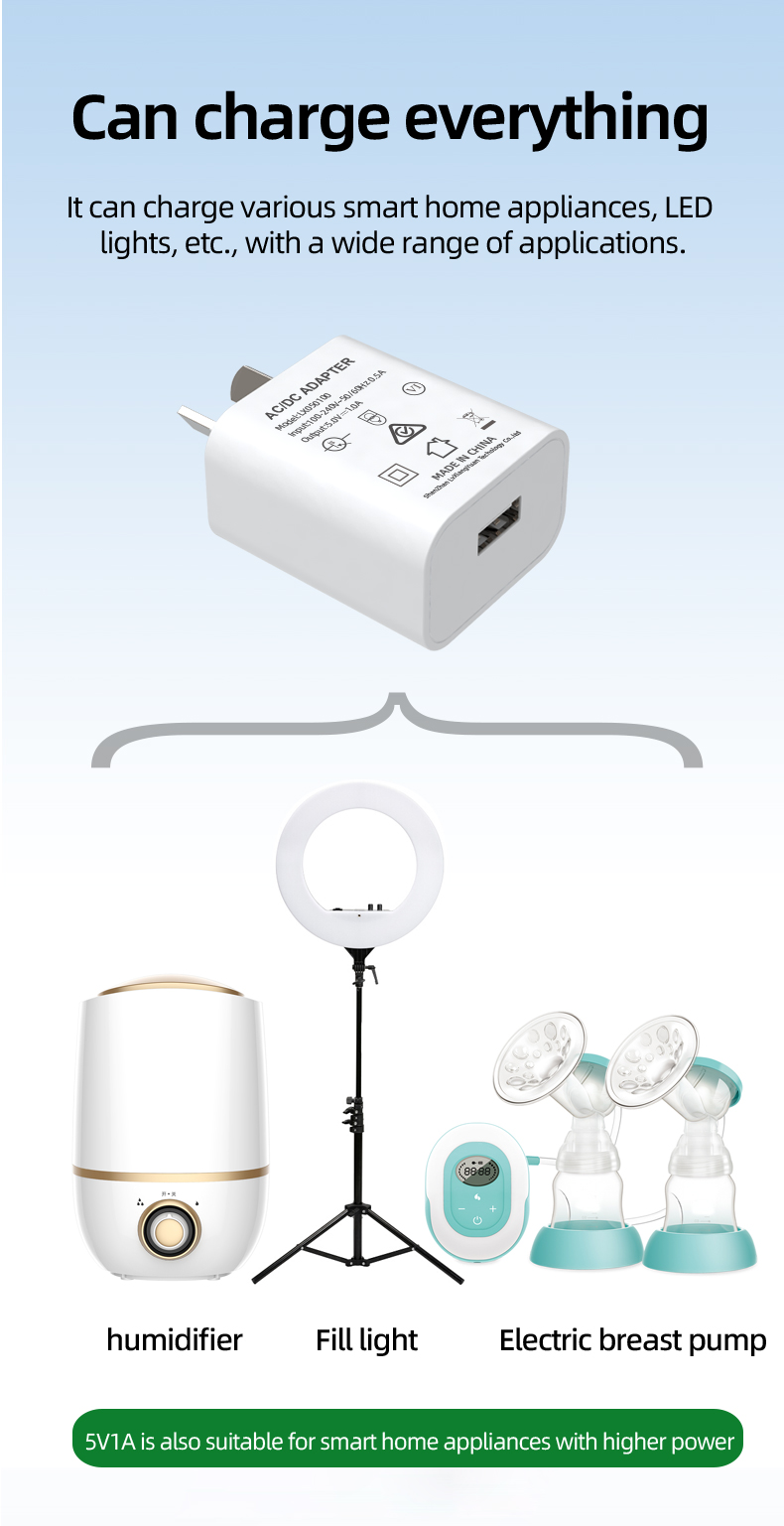
And it comes with USB-A port normally.
Such as our 5v 1a usb charger and 5v 2a usb wall charger for electronic devices.
On the other hand, a PD (Power Delivery) charger is a specialized type of charger that boasts a more potent supply of power to your device.
PD chargers can deliver up to 100 watts of power, far exceeding that of a regular charger.
Typically, the most common wattage output of PD chargers ranges from 18 to 20 watts.
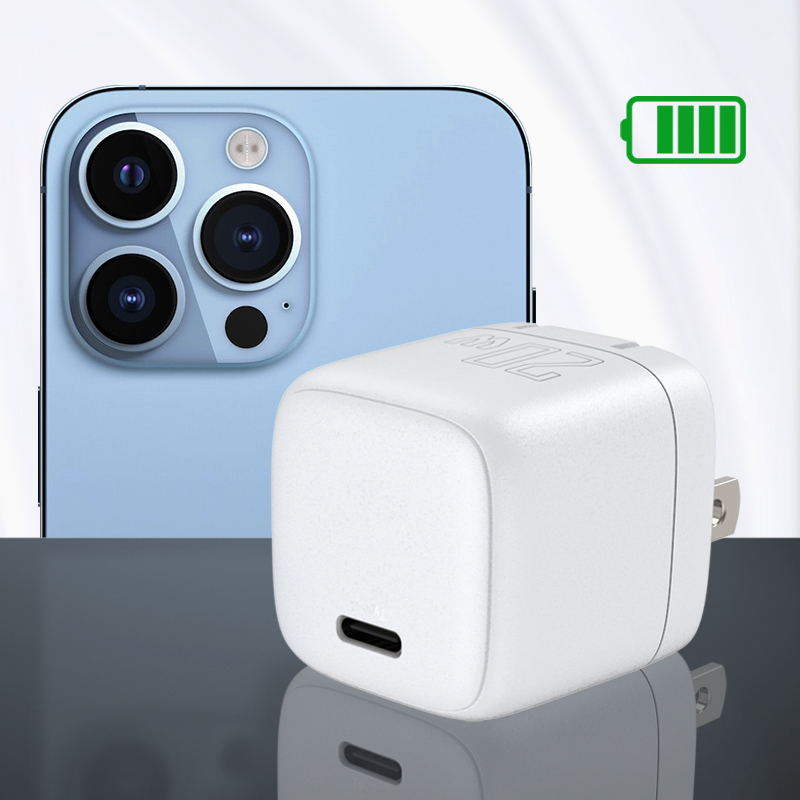
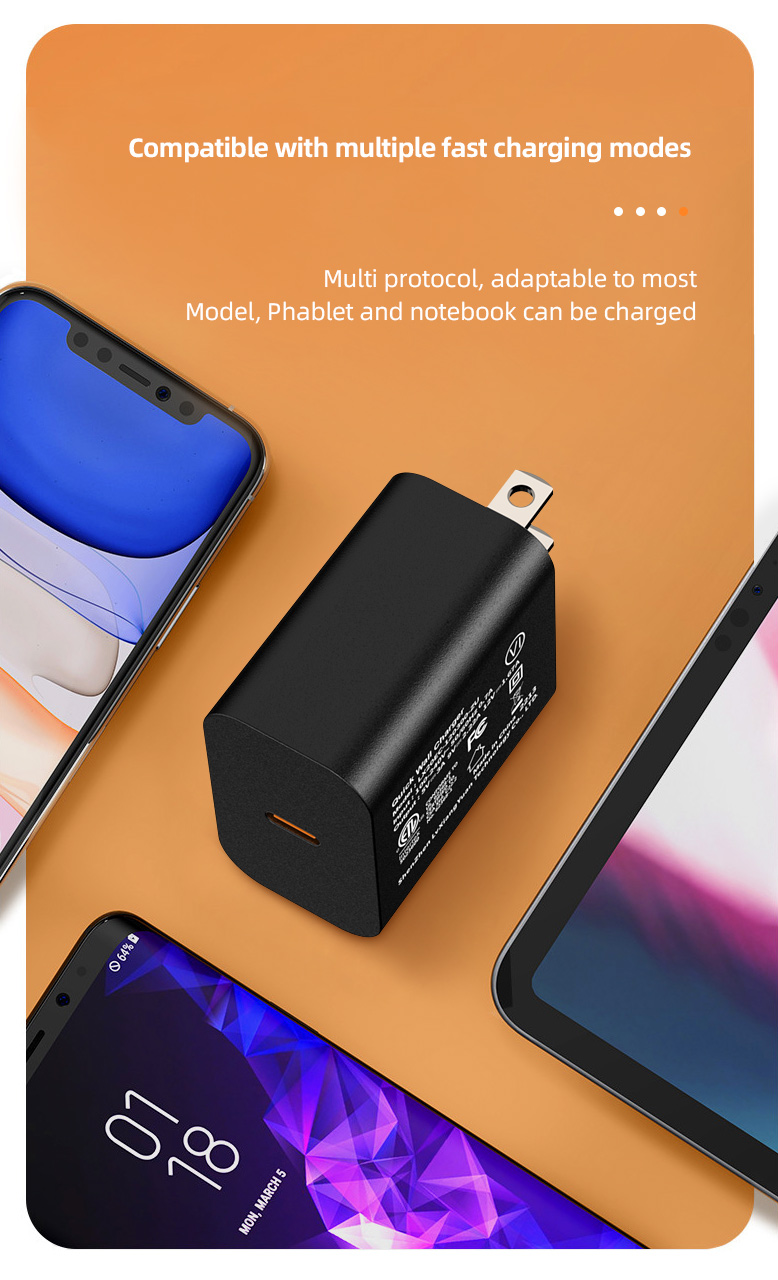
And it comes with Type-C port normally.
They leverage smarter technology in regulating the adequate amount of power delivery needed at any given moment, efficiently speeding up the charging process.
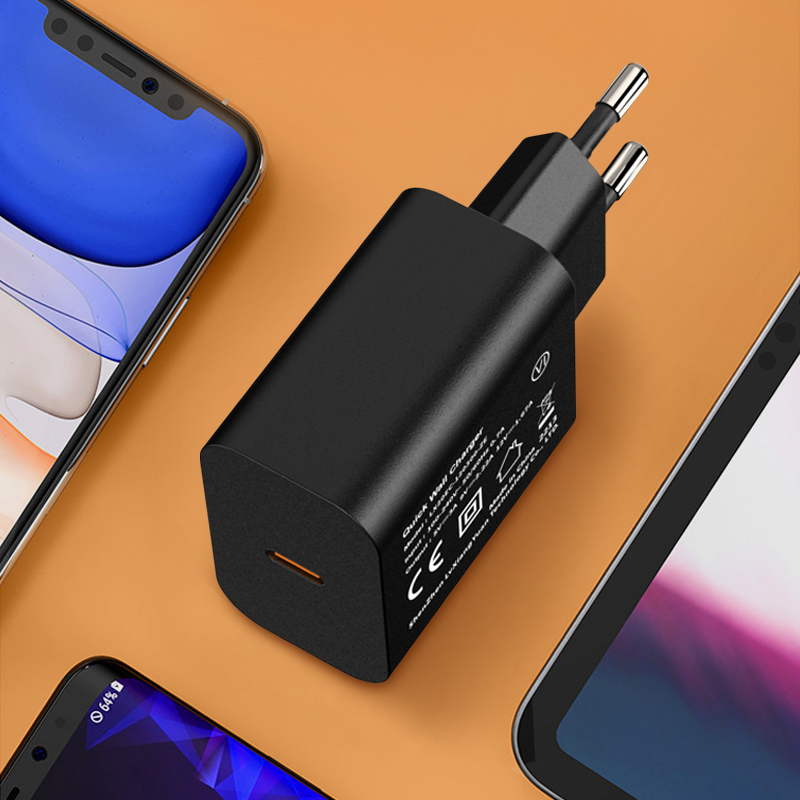
Such as our PD 20w charger for iphone charging.
So, what exactly are the benefits of using a PD charger instead of a regular one?
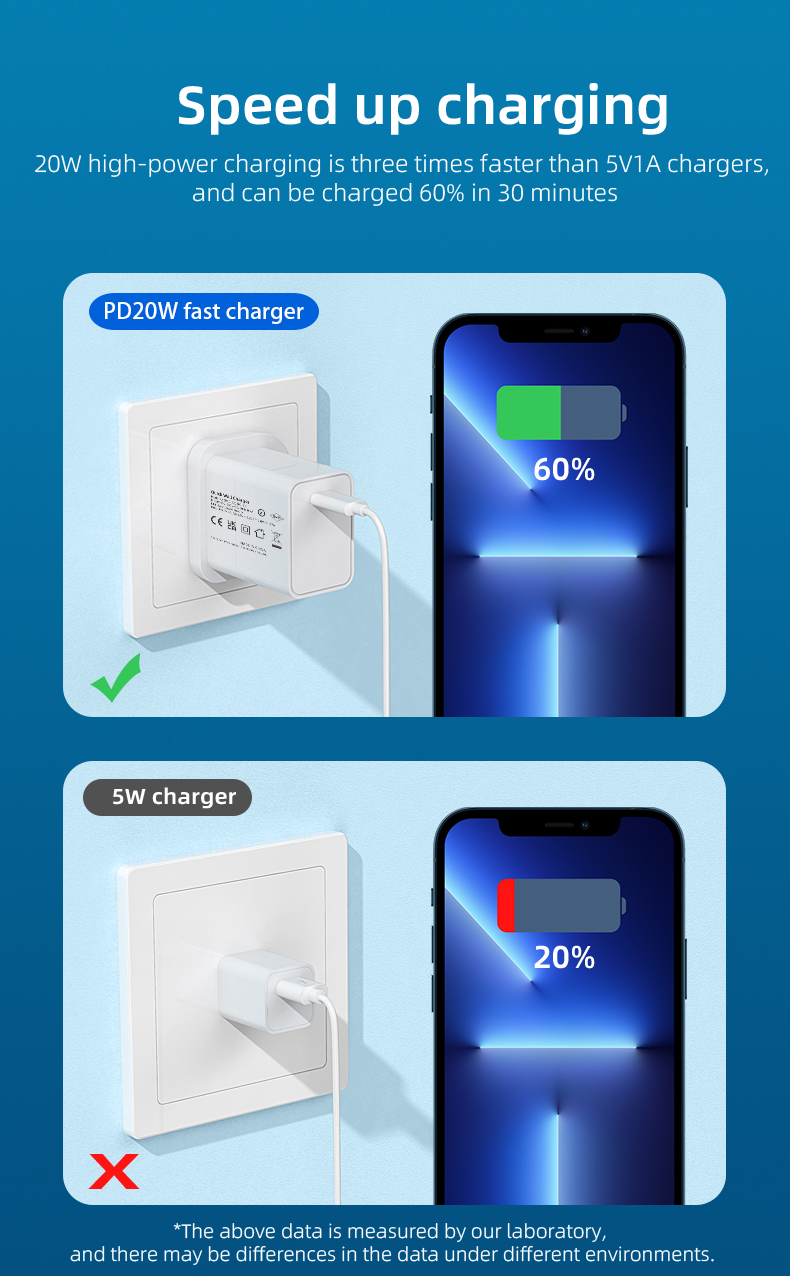
Primarily, PD chargers are generally much faster.
Regular chargers may take hours to charge a device,
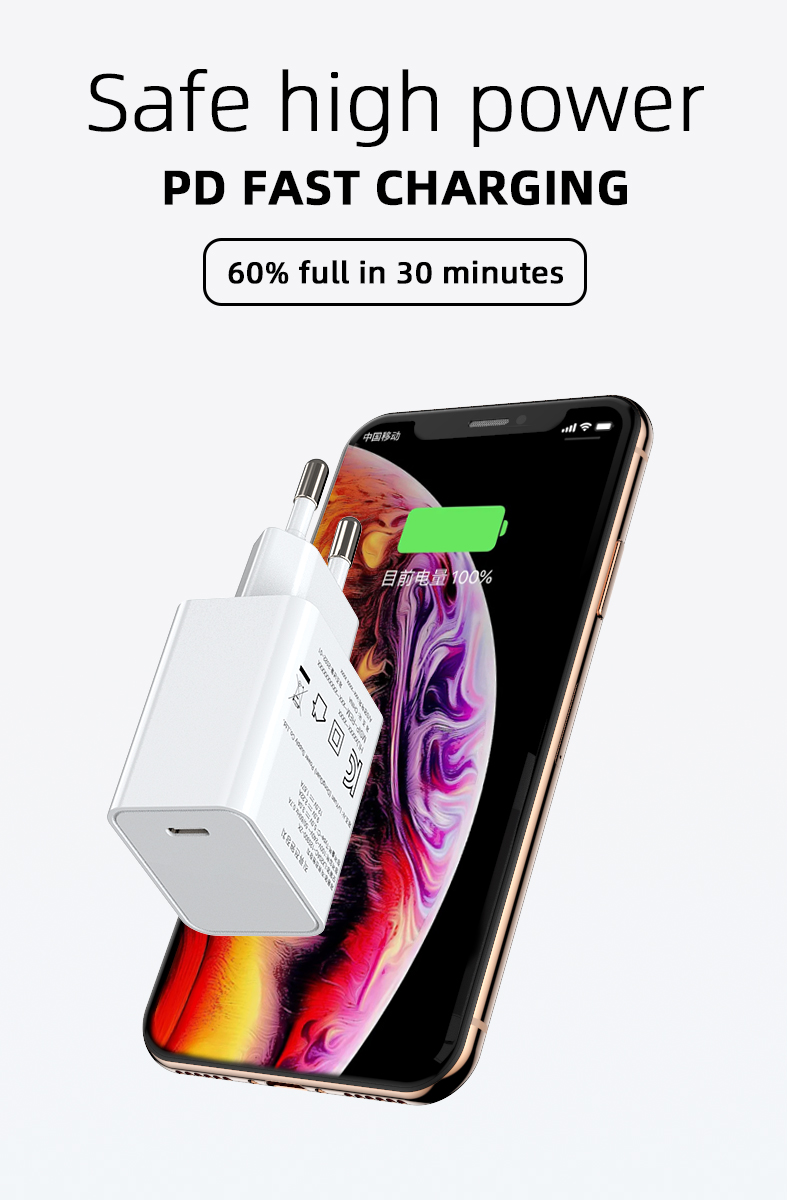
whereas PD chargers can rapidly complete the process, enabling users to use their devices in shorter periods.
Moreover, PD chargers are more efficient, using intelligent systems to allocate power more intelligently, which reduces energy wastage and heat generation.
Consequently, they're environmentally friendly compared to their regular counterparts and less prone to damaging your device over time.
PD chargers are also more versatile and can supply a higher wattage, facilitating charging different devices ranging from laptops to gaming consoles.
Consequently, saving money associated with purchasing separate chargers for each device.
However, as with every technology, there are a few drawbacks to consider with PD chargers.
Firstly, PD chargers tend to be more expensive than standard chargers.
They require a more advanced level of technology to operate, which contributes to the price difference.
Moreover, PD chargers may not be compatible with all devices.
Certain older devices may not handle the higher amounts of power output from a PD charger.
The bottom line is that the main difference between a PD charger and a regular charger lies in the amount of power they deliver.
PD chargers are worlds faster, more efficient, and versatile than regular ones but also come at a premium price.
Ultimately, the choice between the two is hinged on your preferences and financial plan.
If you own multiple devices or regularly need to charge them quickly, a PD charger can be an integral asset.
What is A 5V 1A charger?
Related Article
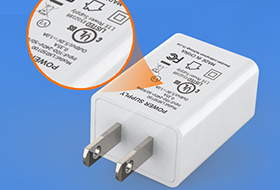
Why you choose our 5V 1A USB Power Adapter with US plug?
Tired of damaging your small gadget batteries with oversized high-watt chargers? That’s exactly why you should choose our 5V 1A USB Power Adapter with US plug. It solves all your daily low-power charging headaches perfectly.
Tired of damaging your small gadget batteries with oversized high-watt chargers? That’s exactly why you should choose our 5V 1A USB Power Adapter with US plug. It solves all your daily low-power charging headaches perfectly.
Why you choose our 5V 1A USB Power Adapter with US plug?
Where Reliability Outshines Speed in Life’s Critical Moments
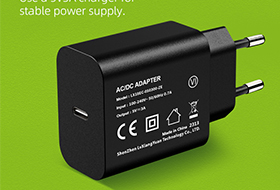
As floodwaters rose in Jakarta, a nurse plugged a fetal monitor into a weathered adapter. In a Kyiv bomb shelter, volunteers charged emergency radios from a single outlet. At a Nairobi refugee school, children shared one adapter for a donated tablet. Unseen but unbreakable, the 5V 3A USB-C Charger Adapter hummed—a 15-watt lifeline proving that true power lies not in speed, but in steadfast resilience.
As floodwaters rose in Jakarta, a nurse plugged a fetal monitor into a weathered adapter. In a Kyiv bomb shelter, volunteers charged emergency radios from a single outlet. At a Nairobi refugee school, children shared one adapter for a donated tablet. Unseen but unbreakable, the 5V 3A USB-C Charger Adapter hummed—a 15-watt lifeline proving that true power lies not in speed, but in steadfast resilience.
The Unyielding Pulse: How 15 Watts Powers Humanity’s Most Vital Connections
Your Pocket-Sized Power Peacekeeper
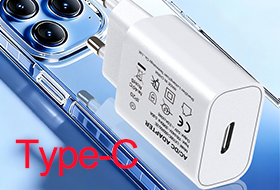
Imagine this: You’re unpacking a new blood pressure monitor, wireless earbuds, or a sleek e-reader. Inside the box, you find a small rectangular block—a 5V 2A USB-C Wall Charger. It looks unassuming, but this tiny hero is engineered to power your life’s essentials safely, reliably, and universally.
Imagine this: You’re unpacking a new blood pressure monitor, wireless earbuds, or a sleek e-reader. Inside the box, you find a small rectangular block—a 5V 2A USB-C Wall Charger. It looks unassuming, but this tiny hero is engineered to power your life’s essentials safely, reliably, and universally.
The Quiet Guardian of Your Gadgets: Demystifying the 5V 2A USB-C Wall Charger
Where Renaissance Aesthetics Meet Gallium Nitride Genius
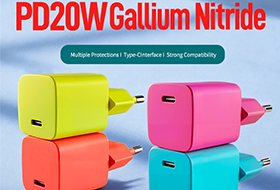
As the morning light filters through a Parisian café window, a coral-orange charger glows beside a cappuccino. In Berlin, a mint-green unit accents a minimalist desk. Across the continent, the PD20W Single USB-C European Standard Colorful Charger is rewriting charging rituals—one vibrant hue at a time.
As the morning light filters through a Parisian café window, a coral-orange charger glows beside a cappuccino. In Berlin, a mint-green unit accents a minimalist desk. Across the continent, the PD20W Single USB-C European Standard Colorful Charger is rewriting charging rituals—one vibrant hue at a time.
Color Your Current: Europe’s Pocket-Sized Power Revolution